Scope
- Policy Statement
- Source of Infection
- What Causes the Symptoms of Sepsis?
- The Policy
- Signs and Symptoms of Sepsis
- Septic Shock
- Symptoms of Septic Shock
- Sepsis Prognosis
- Related Policies
- Related Guidance
- Training Statement
Policy Statement
Anyone can get sepsis and it is life-threatening. Sepsis can be triggered by an infection in any part of the body. The most common sites of infection leading to sepsis are the lungs, urinary tract, abdomen and pelvis.
There is a greater chance of developing sepsis when in hospital after
- Recent surgery.
- Having a urinary catheter fitted.
- Staying in the hospital for a long time due to a serious illness
A person cannot be infected by sepsis from another person.
It is still not understood why some people develop sepsis and others do not, but it is likelier to develop after a viral illness, such as a cold, or a minor injury, and some are more susceptible, including those who:
- Are very young or very old.
- Are diabetic.
- Are on long-term steroids or on drugs to treat cancer or other conditions.
- Have had an organ transplant and are on anti-rejection drugs.
- Are malnourished.
- Have serious liver disease.
- Have a serious illness that affects their immune system, such as leukaemia.
- Have an infection or a complication after surgery.
- Are pregnant or have just given birth
Although the above groups are at higher risk, it is important to remember that sepsis can affect anyone: it claims the lives of young and old people alike and affects the previously fit and healthy.
If you are in any doubt, just ask: could it be sepsis?
Sources of Infection
Types of infection associated with sepsis include:
- Lung infection (pneumonia).
- Appendicitis.
- An infection of the thin layer of tissue that lines the inside of the abdomen (peritonitis).
- An infection of the bladder, urethra or kidneys (urinary tract infection).
- An infection of the gallbladder (cholecystitis) or bile ducts (cholangitis).
- Skin infections, such as cellulitis. This can be caused by an intravenous catheter that’s been inserted through the skin to give fluids or medication.
- Infections after surgery.
- Infections of the brain and nervous systems, such as meningitis or encephalitis.
- Flu (in some cases).
- Bone infection (osteomyelitis).
- Heart infection (endocarditis).
What Causes the Symptoms of Sepsis?
In a normal situation, your immune system keeps an infection limited to one place. This is known as a localised infection. The body produces white blood cells, which travel to the site of the infection to destroy the germs causing infection. A series of biological processes occur, such as tissue swelling, which helps fight the infection and prevents it from spreading. This process is known as inflammation.
If a person’s immune system is weak or an infection is particularly severe, it can quickly spread through the blood into other parts of the body. This causes the immune system to go into overdrive, and the inflammation affects the entire body. This can cause more problems than the initial infection, as widespread inflammation damages tissue and interferes with blood flow. The interruption in blood flow leads to a dangerous drop in blood pressure, which stops oxygen from reaching your organs and tissues.
The Policy
It is important to understand the causes of sepsis along with sources of infection for staff to be able to raise any concerns as soon as possible with a medical professional. We recognise that individuals in our care are amongst those most at risk of developing sepsis.
Early identification and treatment = increased survival!
Signs and Symptoms of Sepsis
- There is not always a fever; however, if there is a fever, core body temperature of 39.4°C and shaking chills or a very low body temperature.
- Decreased urination.
- Tachycardia (rapid pulse): a heartbeat of 90 beats per minute or more.
- Rapid breathing: greater than 20 breaths per minute.
- Nausea and vomiting.
- Diarrhoea.
- The high likelihood or confirmed presence of an infection.
- Blood cultures could be negative.
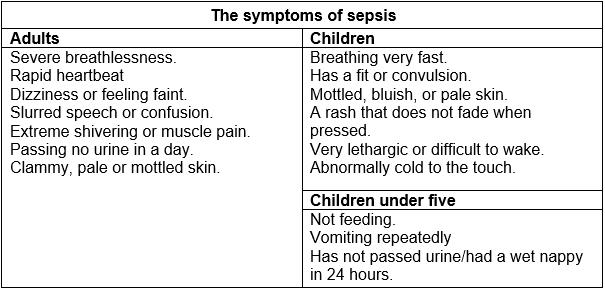
Symptoms differ in adults and children; it is, therefore, vital to be aware of what to look for. Ensuring all staff know the symptoms of sepsis through regular staff training and up-to-date policies will help with early diagnosis: it cannot be left to healthcare professionals alone!
Septic Shock
Septic shock is a life-threatening condition that happens when blood pressure drops to a dangerously low level after an infection. Any type of bacteria can cause the infection. Fungi such as candida and viruses can also be a cause, although this is rare.
At first, the infection can lead to a reaction called sepsis as described above. Left untreated, toxins produced by bacteria can damage the small blood vessels, causing them to leak fluid into the surrounding tissues.
This can affect the heart’s ability to circulate blood to vital body organs, which causes hypotension. People with a weakened immune system have an increased risk of developing septic shock.
Symptoms of Septic Shock
Symptoms of septic shock include:
- Low blood pressure (hypotension) makes the person feel dizzy when standing up.
- Breathing difficulties.
- A rapid change in their mental state, such as confusion or disorientation.
- Diarrhoea.
- Abdominal pain with nausea and vomiting.
- Cardiac abnormalities.
- Cold, clammy and pale skin.
Septic shock is a medical emergency; medical help must be summoned immediately, by calling 999 if it is thought that the person in your care has septic shock.
Treating septic shock
The individual is usually admitted to an intensive care unit (ICU) so that the body’s functions and organs can be supported while the infection is treated.
Treatment may include:
- Oxygen therapy.
- Fluids are given directly through a vein (intravenously).
- Medication to increase blood flow.
- Antibiotics are recommended to be administered for 7 to 10 days.
- Surgery (in some cases).
The chances of surviving septic shock will depend on:
- The cause of infection.
- The number of organs that have failed.
- How soon treatment is started.
Complications of septic shock can be fatal; complications include:
- The inability of the lungs to take in enough oxygen (respiratory failure).
- The heart not being able to circulate sufficient blood around the body.
- Kidney failure or injury.
- Abnormal blood clotting.
Sepsis is one of the top reasons individuals in care homes are sent to hospitals. Septic shock among the elderly results in death about 20% of the time, costing emotional and financial harm on families and the health care system overall.
Among the elderly, sepsis is most often caused by untreated pressure ulcers, from remaining in one position for long periods. The prolonged pressure on an area, resulting in injuries to the skin and underlying tissue.
Sepsis Prognosis
By identifying sepsis early, it is possible to increase an individual’s chance of surviving. The longer the symptoms of sepsis go undiagnosed, the less likely a sufferer is of making a recovery.
Related Policies
Infection Control
Moving and Handling
Prevention of Pressure ulcers
https://www.nice.org.uk/guidance/qs161/resources/sepsis-pdf-75545595402181
NHS Sepsis:
https://www.nhs.uk/conditions/sepsis/
Escavo Sepsis Application, accessed September 2019:
https://www.escavo.com/
Sepsis Trust:
https://sepsistrust.org/professional-resources/clinical
Training Statement
All staff, during induction, are made aware of the organisation’s policies and procedures, all of which are used for training updates. All policies and procedures are reviewed and amended where necessary, and staff are made aware of any changes. Observations are undertaken to check skills and competencies. Various methods of training are used, including one to one, online, workbook, group meetings, and individual supervisions. External courses are sourced as required.
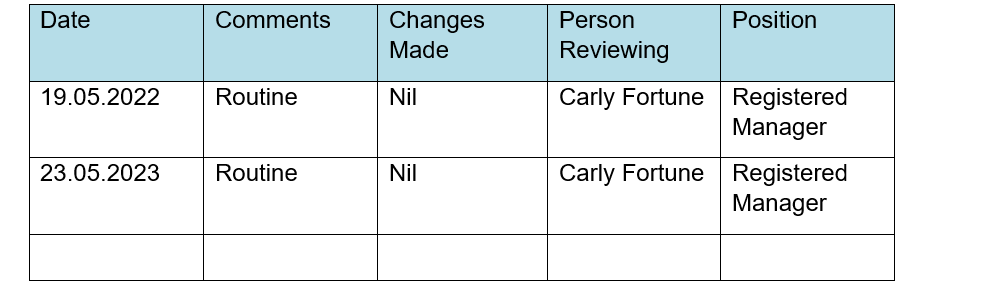
Date Reviewed: May 2021
Person responsible for updating this policy: Carly Fortune
Next Review Date: May 2022